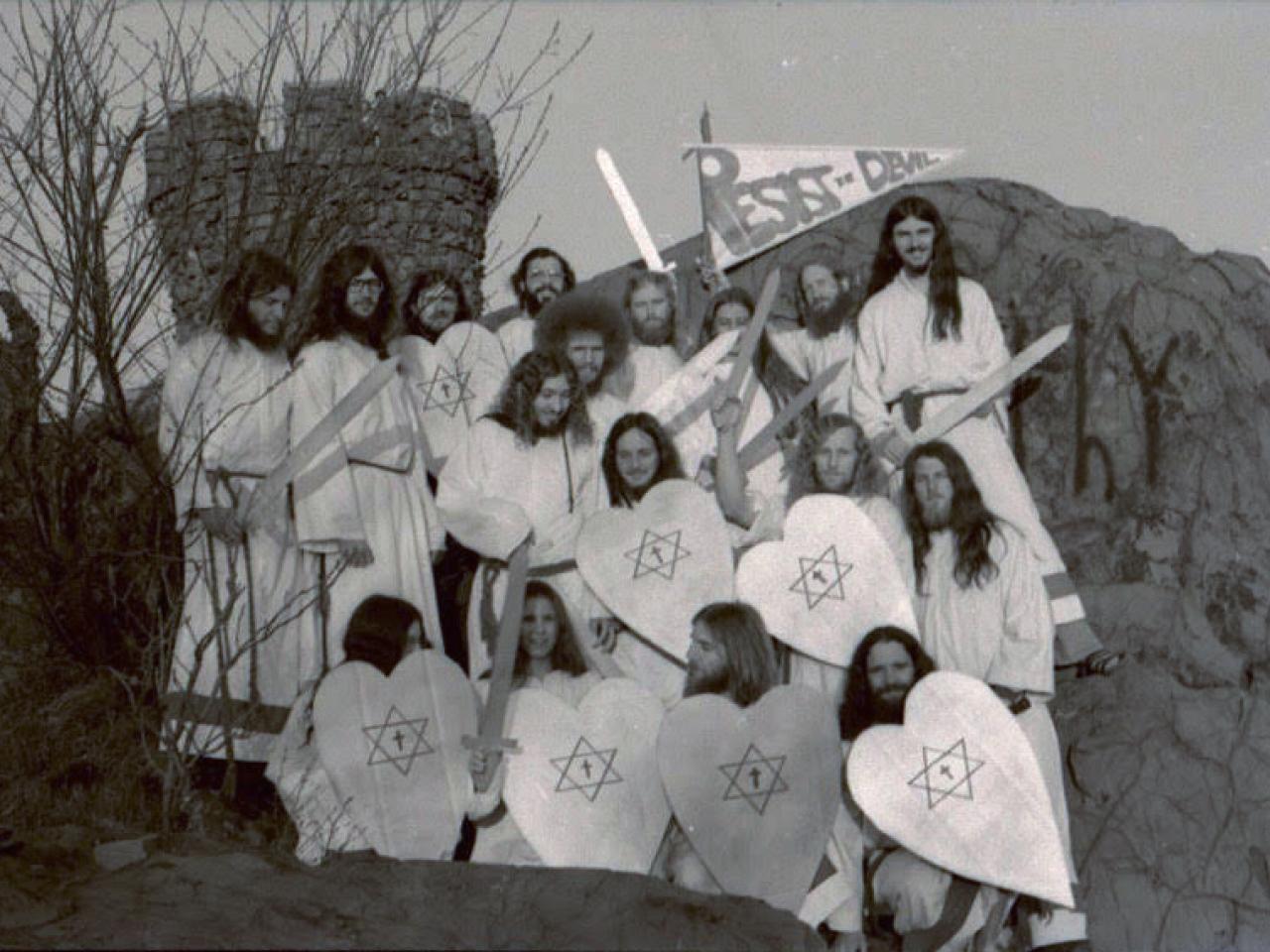

A controversial movement led by a self-proclaimed reincarnation of Jesus, marred by allegations of abuse and a multimillion-dollar business empire.
The Work, also known as Brother Julius’s cult, was a religious movement founded and led by Julius Schacknow, a man who declared himself the reincarnation of Jesus Christ. This movement, active primarily in Connecticut, garnered attention for its controversial practices, including allegations of sexual abuse, financial exploitation, and the unsettling dynamics of power within its ranks. The group, which began in the 1970s and continued even after Schacknow’s death in 1996, has left a complex legacy of spiritual pursuit marred by scandal.
Julius Schacknow, known to his followers as Brother Julius, was a charismatic figure who initially gained followers through his proclamation of being a prophet and later as the reincarnation of Jesus Christ. His teachings attracted several hundred followers, drawn to his mesmerizing personality and claims of divine authority. Schacknow’s early ministry was marked by his use of scripture to manipulate followers, particularly young women, into sexual relationships under the guise of doing “special work” for God.
By the late 1970s, The Work had expanded into a significant operation with a focus on real estate and construction, generating millions in revenue. However, it was alleged that the rank-and-file members saw little of this wealth, with many claiming to have been paid below minimum wage despite long work hours. The group’s financial success was overshadowed by disturbing allegations of sexual abuse and manipulation. Several lawsuits were filed against Schacknow in the late 1980s by individuals claiming to have been sexually abused by him, including one case involving his stepdaughter and another by his biological daughter.
Schacknow died of natural causes in 1996, but not before the cult’s practices and financial dealings had led to multiple lawsuits and charges of sexual assault against him. His death did not mark the end of The Work, as leadership passed to his chief apostle, Paul Sweetman. However, Sweetman’s tenure was marred by legal troubles, including a conviction for bank fraud and his mysterious disappearance and murder in 2004, which further exposed the cult’s internal conflicts and criminal activities.
image via Investigation Discovery