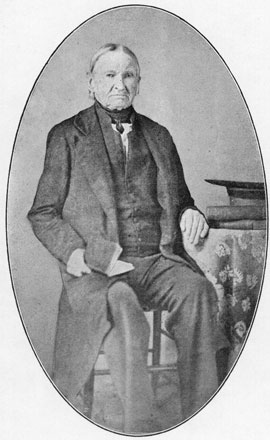

A 19th-century Canadian group, known for their music and distinctive architecture.
Religion: Christianity
Denomination: Quaker
Founder: David Willson
Founded: 1812
Ended: 1889
Location: Ontario, Canada
Other Names: Willsonites, Davidites, Children of Peace, Society of Peace
The Children of Peace, active from the early 19th century until the late 1880s in Upper Canada (now Ontario), were a distinctive religious sect under the leadership of David Willson. Originating from a schism with the Society of Friends (Quakers), the group was often referred to as the Davidites, after their charismatic leader. This sect was notable for its unique blend of religious beliefs, architectural achievements, and a strong tradition of vocal and instrumental music.
David Willson, born in 1778 in Dutchess County, New York, migrated to Upper Canada in 1801. He joined the Society of Friends but eventually seceded due to his divergent interpretations of the Bible and passion for music, which led to the formation of the Children of Peace. The sect emphasized creativity and equality in their religious expression, which was reflected in the elaborate symbolism of their architecture and their communal activities.
The Children of Peace built four significant communal buildings in Hope (later known as Sharon), the most famous being the Sharon Temple, constructed between 1825 and 1831. This Temple, now a National Historic Site of Canada, was designed to reflect Willson’s vision of “ornamenting the Christian Church with all the glory of Israel.” Its architectural design symbolized key Christian and biblical themes, such as the Trinity and the Twelve Apostles, through its three-tiered structure and twelve supporting pillars.
Music played a central role in the sect’s religious and community life. Willson and his followers introduced a band and choir, incorporating both vocal and instrumental music into their worship, which was a stark contrast to the austere practices of the Quakers. They were known for their “chorus of virgins,” a group of female singers who performed in white attire, contributing to the sect’s distinctive musical tradition. The band, formed in 1820, became renowned for its performances, which included a variety of instruments and attracted audiences from across the region.
Politically, the Children of Peace were active participants in the Reform Movement in Upper Canada, advocating for democratic reforms and responsible government. David Willson and his followers were involved in organizing political conventions and supporting reform candidates, reflecting their broader vision for a just and equitable society.
The Children of Peace’s numbers dwindled following Willson’s death in 1866, and the sect eventually ceased to function by the end of the 1880s. Their legacy, however, remains preserved through the Sharon Temple and the musical traditions they established, which continue to be celebrated and studied for their historical significance and unique contributions to Canadian religious and cultural life.
image via Wikipedia